Hamnet (Maggie O’Farrell) — Book Club Discussion Guide
Quick refresher (spoiler-light)
A lyrical, character-led novel centred on Agnes (Shakespeare’s wife, never named as such in the book), her family, and the ripple effects of a single, devastating loss. It moves between domestic intimacy and the wider world, with time shifts and richly sensory detail.
Content notes
Child illness/death, plague/epidemic themes, grief, pregnancy/childbirth references.
Disclosure: This post contains affiliate links to Waterstones. If you buy through them, I may earn a small commission at no extra cost to you
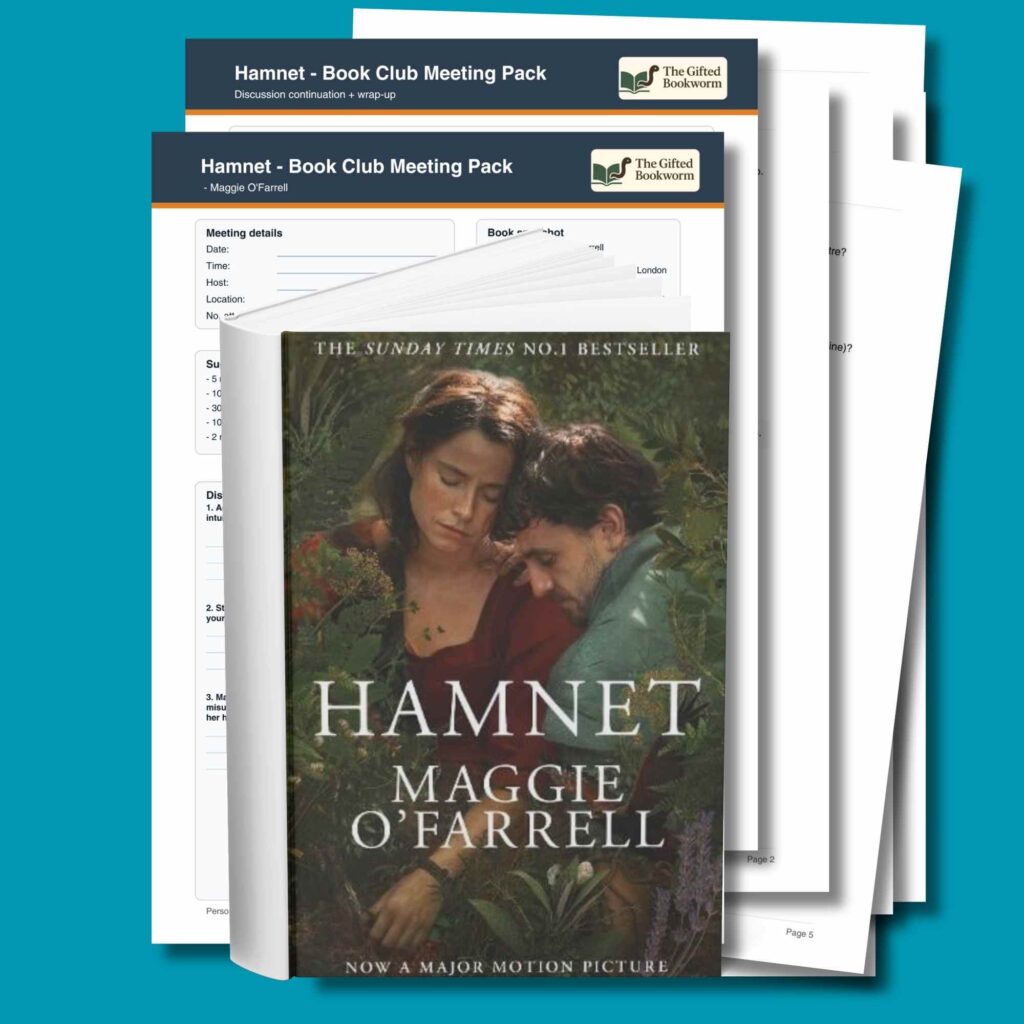
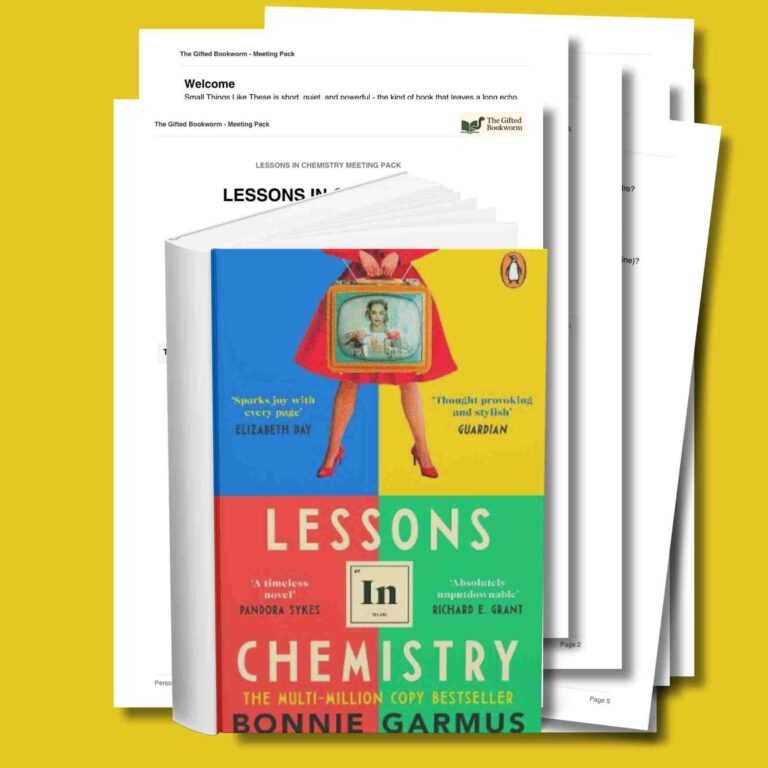
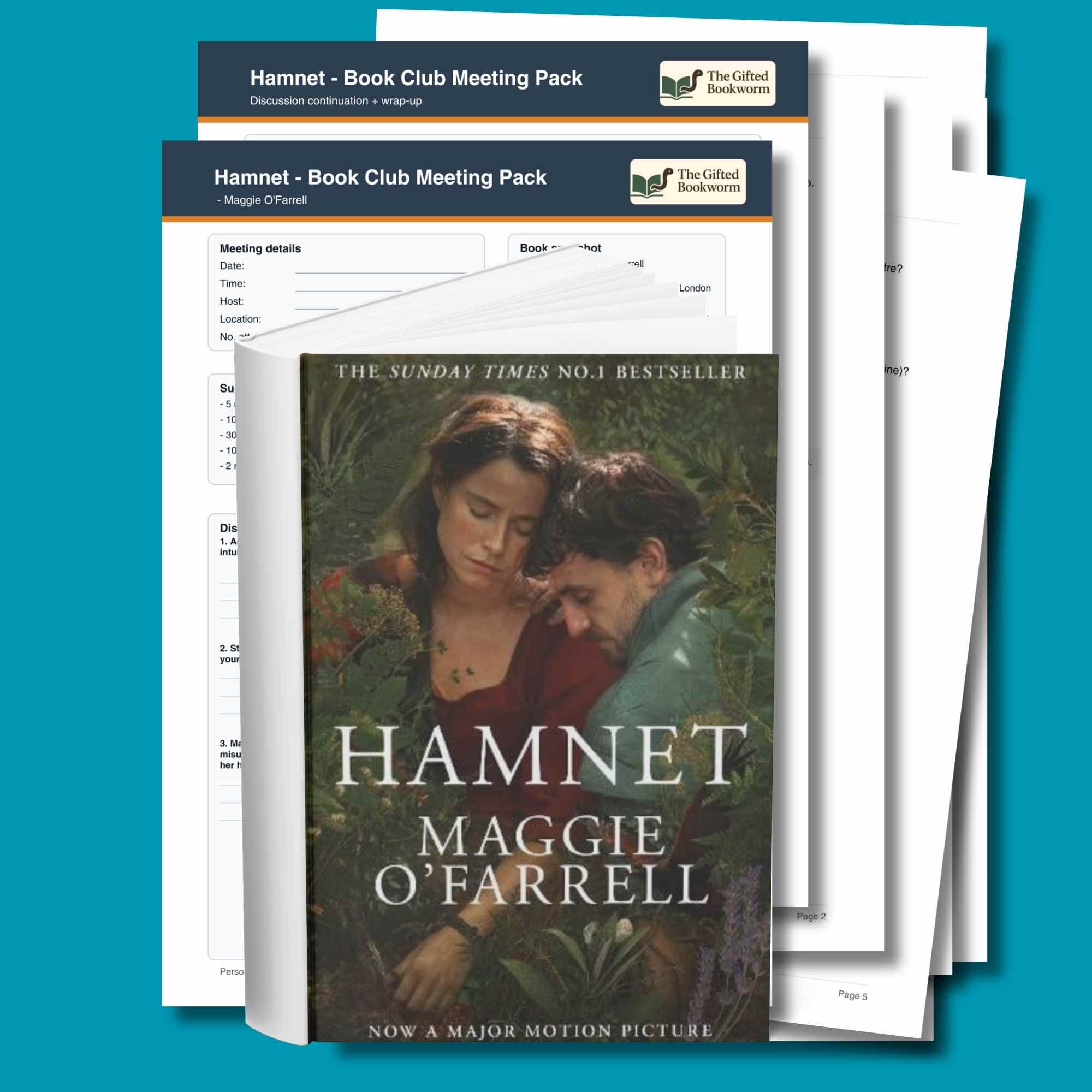
Free Hamnet Book Club Meeting Pack
Hosting a book club discussion for Hamnet?
Download this free printable meeting pack to make your discussion
easy, fun and organised.
✔ Printable discussion questions
✔ Character exploration prompts
✔ Meeting notes page
✔ Perfect for book clubs
Instant download • Free for book lovers
Big themes to chat about
- Grief as a force: how loss changes relationships, memory, and identity
- Mothers, fathers, and different kinds of love: practical love vs performative love vs distant love
- Art and alchemy: turning lived pain into story, myth, and meaning
- The seen/unseen: intuition, folklore, “knowing,” and what a community chooses not to say aloud
- Names and power: anonymity, legacy, and who gets remembered
Discussion questions (main set)
- Agnes as a protagonist: What did you make of her—especially the way the book frames her intuition and connection to nature? Did it feel grounded, mystical, or both?
- Structure and time: The novel slips between moments and perspectives. Did that deepen your emotional connection, or keep you at a distance?
- Marriage and separation: How did you read the relationship between Agnes and her husband—tender, tense, unequal, pragmatic? Where did you see love, and where did you see misunderstanding?
- Community and contagion: What does the book suggest about how “ordinary” life carries invisible threads (trade, travel, gossip, germs) that shape outcomes?
- The twins and identity: How does the novel explore sibling bonds and the idea of being “interchangeable” or “irreplaceable”?
- Silence and speech: Who is allowed to speak openly about pain in this story—and who isn’t? How do characters communicate when they can’t say the thing directly?
- Place as character: Which settings stuck with you (the home, the fields, the town, London)? How does location influence the mood and the choices people make?
- Power dynamics: Where do you notice class, money, and gender shaping what options are available—especially in moments of crisis?
- Faith, folklore, and medicine: The book holds multiple belief-systems side by side. Did you feel it judged any of them, or simply observed?
- Art from sorrow (spoiler-aware): How did you feel about the novel’s portrayal of transforming grief into a work that outlives the person? Comforting, troubling, inevitable?
- What “healing” looks like: By the end, what changes feel possible for Agnes? What doesn’t change at all?
- Your standout moment: Which scene or image won’t leave you—and why do you think it lodged in your mind?
Optional “deeper dive” prompts
- If the story were told entirely from one viewpoint (Agnes / husband / child), what would be gained or lost?
- Did the book feel like historical fiction, literary fiction, or something closer to myth? How does that label change your expectations?
Host-ready meeting plan (45–75 mins)
- 5 mins: One-word check-in (“haunting,” “tender,” “heavy,” “gorgeous,” etc.)
- 10 mins: Favourite line/image (paraphrase is fine) and why it hit
- 30–45 mins: Questions 1–6
- 10–15 mins: Questions 10–12 (more spoiler-heavy)
- 2 mins: Next read pick: “another grief-and-art novel” vs “something lighter”